$75 with free shipping, buy now!

Beyond the Gel: Why Clinics are Moving to Numbing Masks

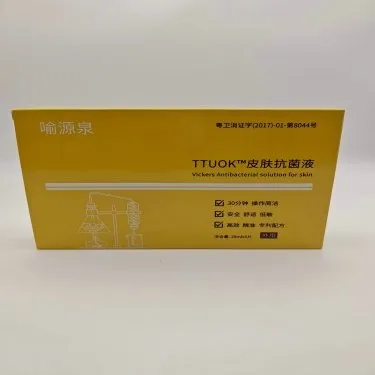
In the rapidly evolving world of aesthetic medicine, patient comfort and procedure efficiency are the two pillars of a successful clinic. For years, topical numbing creams have been the industry standard. However, as we move into 2026, a significant shift is occurring: top aesthetic clinics are replacing messy gels and creams with medical-grade numbing masks.
The Problem with Traditional Numbing Creams
While effective, traditional numbing creams come with several operational challenges:
- Inconsistent Absorption: Creams often dry out or are applied unevenly, leading to “dead zones” where the patient still feels pain.
- Messy Application: They require plastic wrap (occlusion) to work effectively, which is time-consuming for staff and uncomfortable for patients.
- Serum Waste: Creams can interfere with the absorption of high-value serums like PDRN and Exosomes if not thoroughly removed.
Why Medical-Grade Masks are the Future
Numbing masks, specifically designed for clinical use, solve these issues through superior engineering:
- 15-Min Rapid Numbing: Masks achieve profound topical anesthesia in just 15 minutes, significantly faster than the 40-60 minutes required for many creams.
- 100% “Zero Dead Zone” Coverage: The sheet mask format ensures every millimeter of the face is covered, ensuring uniform numbing.
- Enhanced Absorption: The occlusive nature of the mask pushes the anesthetic deeper into the dermis, increasing penetration by up to 300%.
- Improved Clinic ROI: By reducing “chair time” by 30 minutes per patient, clinics can increase their daily throughput, directly impacting the bottom line.
Conclusion
The transition from gels to masks is more than just a trend; it’s a strategic move for clinics prioritizing clinical excellence and operational efficiency. In 2026, the premium patient experience starts with a professional, clean, and effective numbing process.